Alix Earle invests in Cymbiotika
The creator adds the liposomal supplement company, at a reported $150M in annual sales, to a portfolio that already includes Poppi and GORGIE.
- 2025 revenue
- About $150M, reported
- Outside capital
- $25M seed
- Founded
- 2019, San Diego
- Retail
- Target nationwide, 1,000+ Ulta doors
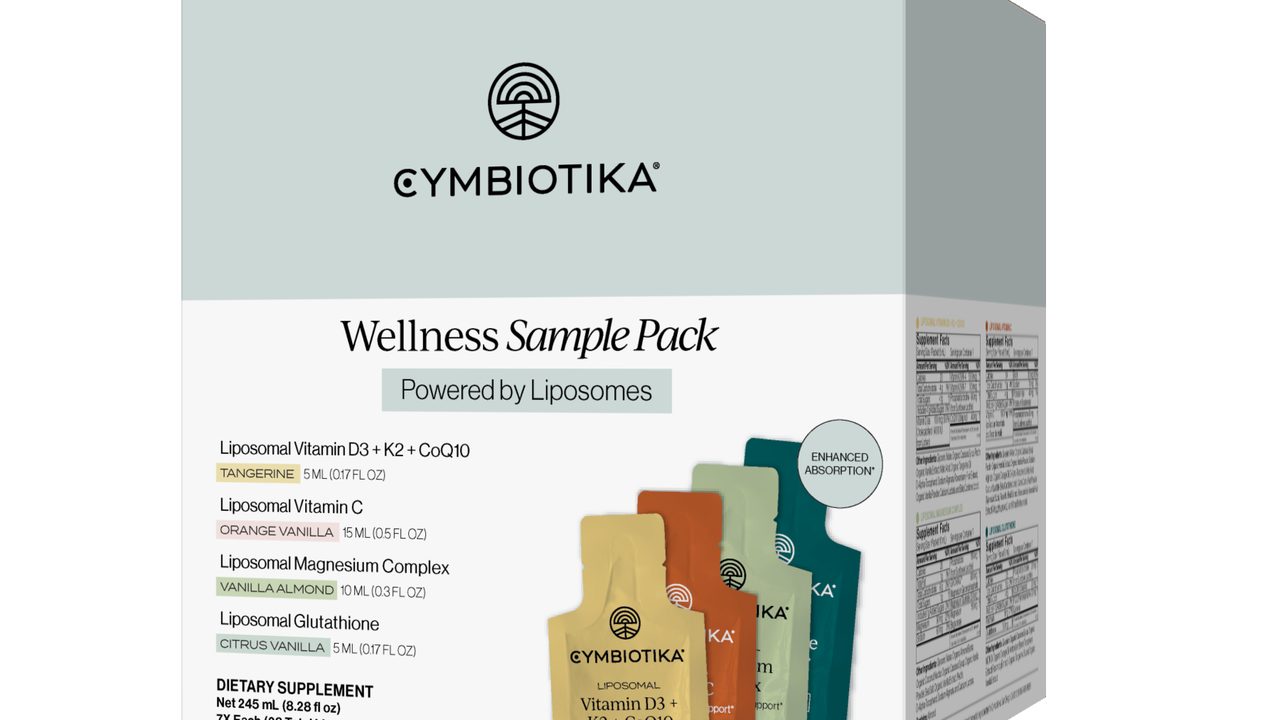
Alix Earle has invested in Cymbiotika, joining the roster of backers behind the liposomal supplement company.
Co-founded by Shahab Elmi, Durana Elmi and Chervin Jafarieh, the San Diego company bootstrapped from its 2019 founding to a reported $150 million in 2025 revenue before taking its first outside capital, a $25 million seed round led by David Grutman. Its investor list reads like a cultural cap table: Ryan Tedder, Daymond John and Post Malone are among the names attached. The retail footprint has caught up with the revenue: Cymbiotika rolled into every Target store nationwide late last year and added more than 1,000 Ulta Beauty doors this spring.
For Earle, the deal extends a pattern. She was an early investor in Poppi, roughly a year before PepsiCo acquired it for $1.95 billion, and backs the better-for-you energy brand GORGIE. Cymbiotika makes it a portfolio.
Why it matters
The creator economy’s second act is ownership. The first generation of influencer deals traded posts for fees; the current one trades reach for equity, and the sharpest creators are behaving like a distribution-advantaged venture fund. For a brand at Cymbiotika’s scale, a creator investor is not a capital decision at all. $25 million raised against $150 million in sales says the company does not need money. It needs compounding attention, and it is buying that with ownership instead of media spend.
The wellness aisle is where this trade works best, because supplements are a trust purchase. A backer who uses the product on camera, repeatedly and voluntarily, moves more units than an ad read ever will.
What to watch
Whether the stake comes with a formal ambassador structure or stays a passive holding. And the category-level signal: every time a top-tier creator converts influence into supplement equity, the acquisition math for strategics gets more interesting, because the brands arrive with distribution already attached.
Originally reported on Instagram: see the post